
Most people only find out that plantar warts are contagious once they’ve already got one. You hit the local pool, and a few weeks later, there’s a rough patch on your heel. Someone in the house gets one, and now you’ve got one too. A single wart on the sole of your foot quietly turns into two, then three, with no obvious explanation. That’s usually when the questions start: how did this happen, what do I do about it, and am I spreading it to other people without knowing?
What Is A Plantar Wart?
A plantar wart is a skin infection caused by a virus called HPV (human papillomavirus). There are loads of HPV strains, and the ones that cause plantar warts only affect the skin. They’re not related to the strains linked to other HPV conditions, so that’s not something to worry about. This condition is also called verrucae or a papilloma.
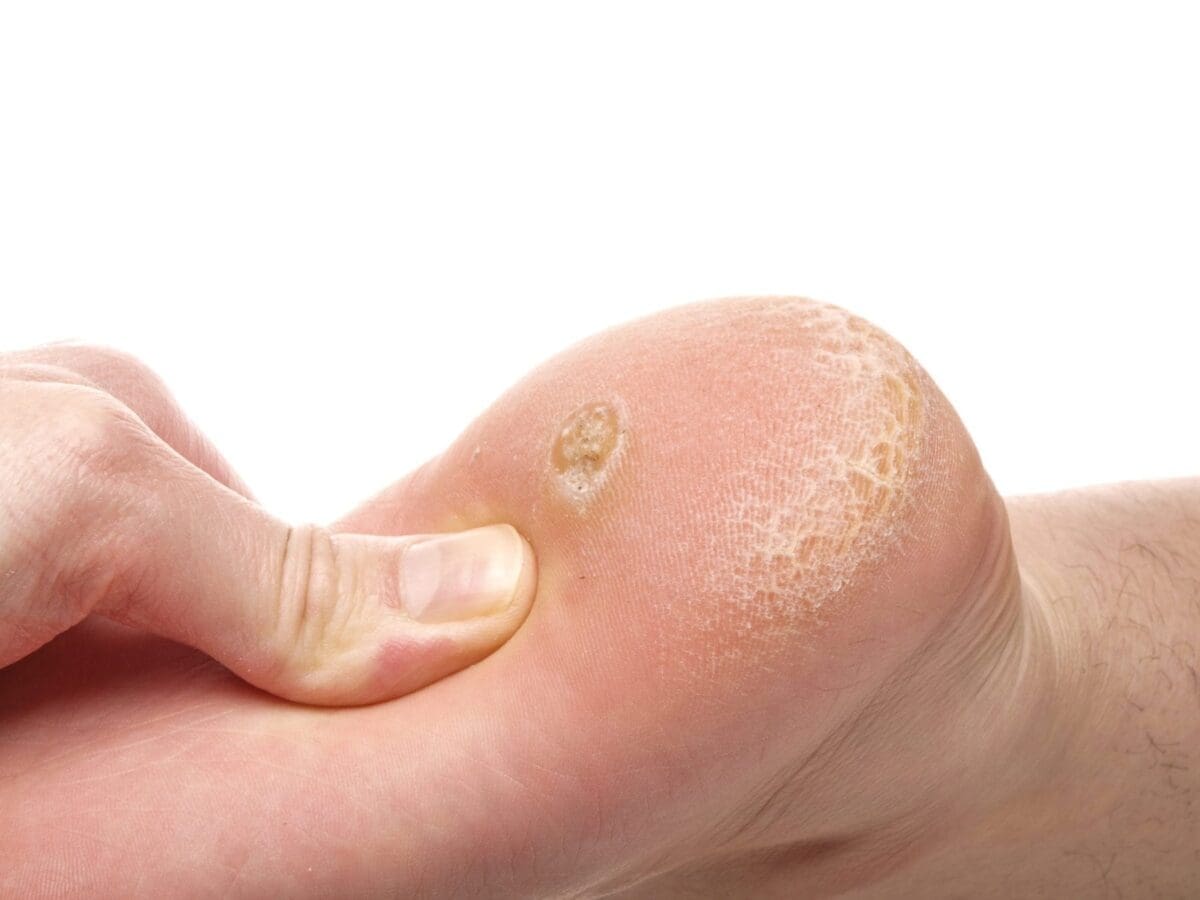
They look like a small, firm, rough growth on the skin. Because you’re walking on them all day, plantar warts on the foot tend to grow inward and sit flat rather than poking up, which is why people sometimes mistake them for corn.
One of the telltale signs is tiny black dots inside the wart. Those aren’t seeds or roots, they’re tiny clotted blood vessels feeding the growth. Plantar warts can pop up anywhere on the sole, your heel, under your toes, or across the ball of your foot, and they can show up on their own or in clusters. They range from a few millimetres to over a centimetre if you leave them alone long enough.
Are Plantar Warts Contagious?
Yes, plantar warts are contagious, and they spread more easily than most people realise. The HPV virus lives in the outer layers of your skin and gets shed from the surface of a wart onto whatever you touch, especially warm, damp surfaces. It gets passed on when that shed virus lands on someone’s skin that has a small cut, soft patch, or any kind of minor break that lets it in.
That’s why the same places keep coming up when people ask where they got their plantar wart from. Public swimming pools, gym change rooms, shared showers, hotel bathroom floors, and sports facilities are all spots where the virus can hang around on surfaces for a while, waiting for the next person. The risk goes up if you walk barefoot through any of those places.
Why Do Some People Get Plantar Warts and Others Don’t?
Getting exposed to HPV doesn’t mean you’ll automatically get a wart. Some people clear the virus before anything ever shows up. Others seem to catch them again and again, no matter how careful they are. Plantar warts aren’t picky about age. The two biggest things that affect this are your immune system and the condition of your skin.
People whose immune systems are under stress (from illness, poor sleep, or medications that lower immune function) are more likely to develop warts. People with conditions that affect their immune system can also find it harder to clear these.
Skin condition is the other big factor. Feet that are wet a lot, cracked, or have any minor surface damage give the virus more openings to get in. Athletes with heavy training loads, people who work in wet or industrial environments, and anyone with dry or cracked skin on their feet are all at higher risk to start with.
Worth knowing: warts can sit dormant in the body for a while before they actually appear. Someone can be infected and not have a clue, which is why you can’t always pin down exactly where a plantar wart came from.
Can Plantar Warts Spread To Other Parts of Your Body?
Yes, and this catches a lot of people off guard. It’s called autoinoculation, which basically means spreading the virus from one of your own warts to another part of your skin.
It happens when you touch or scratch a wart and then touch somewhere else before washing your hands. Running a razor over a wart sends the virus straight to the next bit of skin the blade touches. Scrubbing or exfoliating a wart aggressively can scatter the virus to the surrounding skin. Even walking barefoot at home, on surfaces where shed virus has landed from your own wart, can reinfect other parts of your foot.
This is one of the main reasons not to just leave a plantar wart and hope it goes away on its own. One wart, left alone, can quietly become several as it spreads across the foot. The longer it’s been there, the more time it’s had to spread, dig in deeper, and get harder to treat.
How To Stop Plantar Warts From Spreading
Wearing thongs or waterproof sandals in shared wet areas helps stop the virus spreading to others. Covering a wart with a waterproof dressing before using a shared pool, gym, or bathroom cuts down how much virus you’re shedding into the environment. Don’t share towels, socks, or shoes. The virus survives in fabric and can be passed on that way too.
After you’ve touched a wart (when you’re putting treatment on it or just having a look), wash your hands properly before touching anything else. If someone in your house has a plantar wart, don’t share the shower mat.
Do Plantar Warts Go Away on Their Own?
Some do, eventually. Your immune system can clear most plantar warts given enough time, but that timeframe is anyone’s guess and can stretch out to a year or more. The whole time it’s there, it’s contagious, it can spread, and it usually gets bigger and more uncomfortable as the pressure of walking works against it.
Over-the-counter wart treatments with salicylic acid can work for small, early warts, but they need you to apply them every single day for weeks, and they often stall out on the thicker, more established ones. A lot of people put in weeks of effort, see some improvement, then watch the wart harden up again once they stop.
Waiting also gives the virus more time to settle deeper into the skin, which directly affects how long treatment takes and how many sessions you’ll need to clear it.
When It’s Time To See A Professional Podiatrist
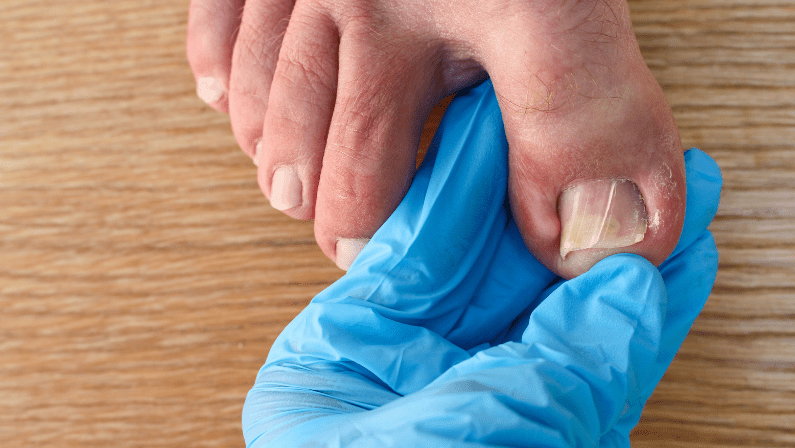
If you’ve been treating it at home for a few weeks and it’s not going anywhere, or it’s getting bigger, sorer, or starting to spread, that’s your sign to book in. Same goes if you’re not sure it’s actually a wart. Plantar warts and corns get mixed up all the time. They sit in similar spots, both hurt underfoot, and to the untrained eye they look pretty much the same.
The treatment for each is completely different though, so the first thing your podiatrist does is figure out what they’re actually dealing with. From there, the approach depends on the size and depth of the wart, how long it’s been there, and whether it’s already started to spread.
Our team of experienced podiatrists at AC Podiatry assesses and treats plantar warts of all kinds, with treatment options including SWIFT Therapy and cryotherapy. We’ll talk through which one makes the most sense for your wart at your appointment.
To arrange an appointment, you can call (08) 8255 5575 or book online at a time that suits you. We have podiatry clinics in Oakden, Adelaide CBD, Magill, and Malvern.