You’ve been dealing with foot pain for months. Maybe it’s heel pain that flares up first thing in the morning, knee pain that gets worse when you run, or shin splints that just won’t go away. You’ve tried rest, ice, new shoes, and even stretching, but nothing seems to fix the problem.
Here’s what most people don’t realise – the pain you’re feeling might not be coming from the spot that hurts. It could be caused by the way you walk, stand, or move. That’s where a biomechanical assessment comes in.
What Is Biomechanics?
Before we dive into the assessment, let’s clarify what biomechanics actually means.
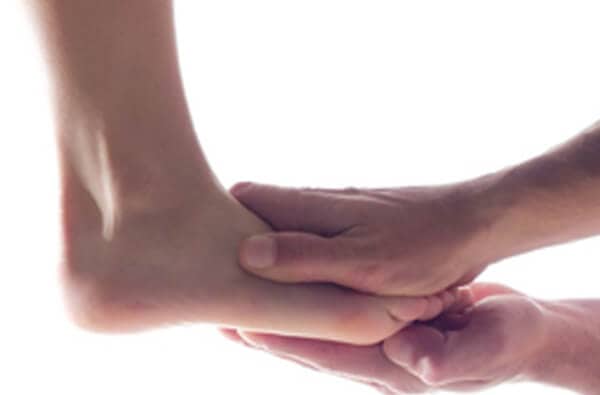
Biomechanics is the study of how your body moves and functions. It looks at the mechanical relationships between your bones, joints, muscles, tendons, and ligaments and how they all work together (or sometimes against each other) when you walk, run, or stand.
In the context of foot and lower limb health, biomechanics focuses on:
- How your foot strikes the ground
- How your ankle, knee, and hip joints move during walking or running
- Whether your foot posture is neutral, flat (overpronated), or high-arched (supinated)
- How your muscles and tendons are managing the forces placed on them
When your biomechanics are functioning well, everything works smoothly. But when there’s a flaw like poor foot posture, muscle weakness, or joint restriction, it can lead to overloading certain structures, which eventually causes pain and injury.
What Is A Biomechanical Assessment?
A Biomechanical Assessment is a comprehensive examination of how your body moves, how your joints function, and how your feet interact with the ground. It’s one of the most valuable tools podiatrists have for getting to the root cause of persistent pain, and it’s often the missing piece that finally leads to effective treatment.
It’s not just about looking at your feet in isolation. A good biomechanical examination of the foot also considers your ankles, knees, hips, and even your lower back, because problems in one area often affect others.
The assessment typically includes both static (non-weight-bearing) and dynamic (weight-bearing and moving) components, giving your podiatrist a complete picture of how your body is functioning.
What Happens During A Biomechanical Assessment?
1. Medical History and Discussion:
Your podiatrist will ask about:
- Your current pain or injury
- When it started and what makes it better or worse
- Your activity level (sports, work, daily habits)
- Previous injuries or surgeries
- Footwear you typically wear
- This helps them understand the context and potential contributing factors.
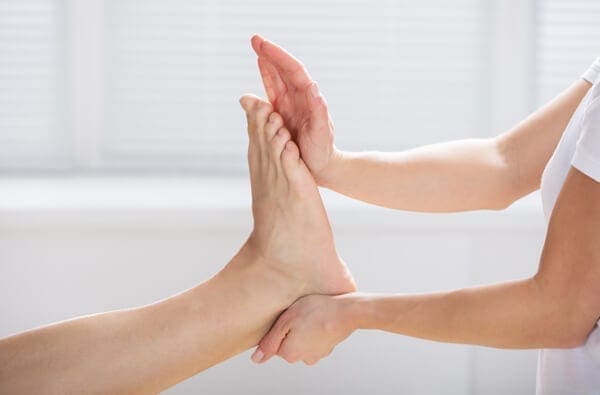
2. Static Assessment (Non-Weight-Bearing):
You’ll lie down or sit while your podiatrist examines:
- Joint range of motion: How freely your ankle, knee, and hip joints move
- Muscle flexibility: Particularly your calf muscles, hamstrings, and hip flexors
- Leg length: Checking for any discrepancies that could affect gait
- Foot structure: Looking at arch height, toe alignment, and overall foot shape
This assessment helps identify any structural issues or restrictions that could be contributing to your problem.
3. Static Assessment (Weight-Bearing):
You’ll stand while your podiatrist observes:
- How your feet and legs align when you’re bearing weight
- Your foot posture (neutral, pronated, or supinated)
- Knee and hip alignment
- Any noticeable asymmetries between the left and right sides
4. Dynamic Assessment and Functional Gait Analysis:
You’ll be asked to walk or run while your podiatrist observes your movement. Many podiatry clinics use video gait analysis to capture your walking or running pattern in slow motion.
During this functional gait analysis, your podiatrist is looking at:
- How your foot strikes the ground (heel strike, midfoot, or forefoot)
- How much your foot rolls inward (pronation) or outward (supination)
- Your stride length and cadence
- How your pelvis, hips, and knees move during the gait cycle
- Any compensatory movements or inefficiencies
If you’re a runner, you might be asked to bring your running shoes so your podiatrist can see your natural running gait.
5. Muscle Strength and Function Testing:
Your podiatrist might test the strength of key muscle groups, particularly:
- Calf muscles
- Glutes (bottom muscles)
- Hip stabilisers
- Foot intrinsic muscles
- Weakness in these areas often contributes to biomechanical problems.
6. Footwear Assessment:
Your podiatrist will examine your shoes to check for:
- Uneven wear patterns (which can reveal biomechanical issues)
- Whether your shoes are appropriate for your foot type and activity
- Signs that your footwear might be contributing to your problem
- The whole assessment usually takes 30-45 minutes, depending on the complexity of your case.
Who Needs A Biomechanical Assessment?
A biomechanical assessment is useful for a wide range of people, not just elite athletes. You might benefit from one if:
You have chronic or recurring pain:
- Plantar fasciitis (heel pain)
- Achilles tendonitis
- Shin splints
- Knee pain
- Hip or lower back pain that seems related to how you walk or run
If treatments like rest, ice, and basic exercises haven’t worked, there’s likely a biomechanical component that hasn’t been addressed.
You’re a Runner or Athlete:
Whether you’re training for a marathon or just enjoy regular runs, a running gait analysis can help:
- Identify inefficiencies in your running form
- Prevent injuries before they happen
- Improve performance by optimising your biomechanics
Many sports-related injuries are directly linked to poor biomechanics, so addressing these issues can keep you active and pain-free.
You’ve Had a Recent Injury:
If you’ve sprained your ankle, suffered a stress fracture, or dealt with any lower limb injury, a biomechanical assessment can identify what contributed to the injury and help prevent it from happening again.
Your Shoes Wear Unevenly:
If the soles of your shoes wear down much faster on one side, or if you go through shoes quickly, it’s a sign that your biomechanics might be putting excessive stress on certain areas.
You’re Considering Orthotics:
Before prescribing custom orthotics, a thorough biomechanical assessment is essential. It ensures the orthotics are designed to address your specific biomechanical issues rather than being a generic solution.
You Want to Improve Your Performance:
Even if you’re not in pain, optimising your biomechanics can help you move more efficiently, reduce fatigue, and perform better in your chosen sport or activity.
What Problems Can A Biomechanical Assessment Identify?
Here are some of the most common issues that come up during a biomechanical examination of the foot and lower limb:
Overpronation (Flat Feet):
Your foot rolls inward excessively when you walk or run. This puts extra stress on your arch, ankle, and inner knee, and is a common cause of plantar fasciitis, shin splints, and knee pain.
Supination (High Arches):
Your foot doesn’t roll inward enough, which means it doesn’t absorb shock as effectively. This can lead to stress fractures, ankle sprains, and issues with the outer edge of the foot.
Leg Length Discrepancy:
One leg is slightly longer than the other, which can throw off your entire gait and lead to hip, knee, or lower back pain.
Weak Glutes or Core:
When your glutes or core muscles aren’t doing their job, your feet and lower limbs have to work harder to stabilise your body. This can lead to a cascade of problems down the chain.
Tight Calves or Hamstrings:
Lack of flexibility in these muscles can affect how your foot moves during the gait cycle, increasing the risk of Achilles tendonitis, plantar fasciitis, and other issues.
Poor Running Form:
Landing too heavily on your heels, overstriding, or having a slow cadence can all contribute to running-related injuries.
How Can Biomechanical Assessment Lead To Treatment?
The assessment doesn’t fix anything, but it gives your podiatrist the information they need to create an effective, personalised treatment plan. Based on what they find, treatment might include:
Custom Orthotics:
If your foot posture is contributing to your pain, custom orthotic insoles can help correct alignment, redistribute pressure, and support your arches. Orthotics are particularly effective for overpronation and conditions like plantar fasciitis.
Strengthening Exercises:
If weak glutes, calves, or foot muscles are part of the problem, a targeted strengthening program can address the root cause and prevent future issues.
Stretching and Mobility Work:
Tight muscles or restricted joints can be improved with a structured stretching routine or manual therapy like foot mobilisation.
Footwear Advice:
Sometimes the solution is as simple as switching to shoes that better suit your foot type and activity level. Your podiatrist can recommend appropriate footwear based on your biomechanics.
Gait Retraining:
For runners, adjusting your stride length, cadence, or foot strike pattern can reduce stress on vulnerable areas and improve efficiency.
Dry Needling or Shockwave Therapy:
If there are tight trigger points or chronic soft tissue issues, treatments like dry needling or shockwave therapy might be recommended alongside biomechanical corrections.
Biomechanical Assessment In Adelaide: Why Choose AC Podiatry?
If you’re in Adelaide and considering a biomechanical assessment, here’s what sets AC Podiatry apart:
Experienced Podiatrists: Our team has extensive training in biomechanics and sports podiatry.
Advanced Technology: We use video gait analysis and other modern tools to give you the most accurate assessment possible.
Personalised Treatment: We don’t believe in one-size-fits-all solutions. Your treatment plan will be tailored to your specific biomechanics, lifestyle, and goals.
Collaborative Approach: We work alongside physiotherapists, exercise physiologists, and other health professionals to ensure you get the best possible care.
Find Out What’s Causing Foot Pain
If you’ve been dealing with pain that just won’t go away, or if you’re an athlete looking to optimise your performance and prevent injuries, a biomechanical assessment could be the answer you’ve been looking for.
It’s not about quick fixes or guesswork; it’s about understanding how your body moves, identifying what’s going wrong, and correcting it at the source. Whether the solution is orthotics, exercises, better footwear, or a combination of approaches, the assessment gives you a clear path forward.
At AC Podiatry, we offer comprehensive biomechanical assessments using the latest technology and techniques. Whether you’re dealing with chronic pain, recovering from an injury, or looking to improve your athletic performance, we can help. Call us on (08) 8255 5575 or book online. We have clinics in Oakden, Adelaide CBD, Magill, and Malvern.